Blog

Style tips, trends, and guides to help you dress your best.

Filter
How to Spot a Twisted Seam Before You Buy
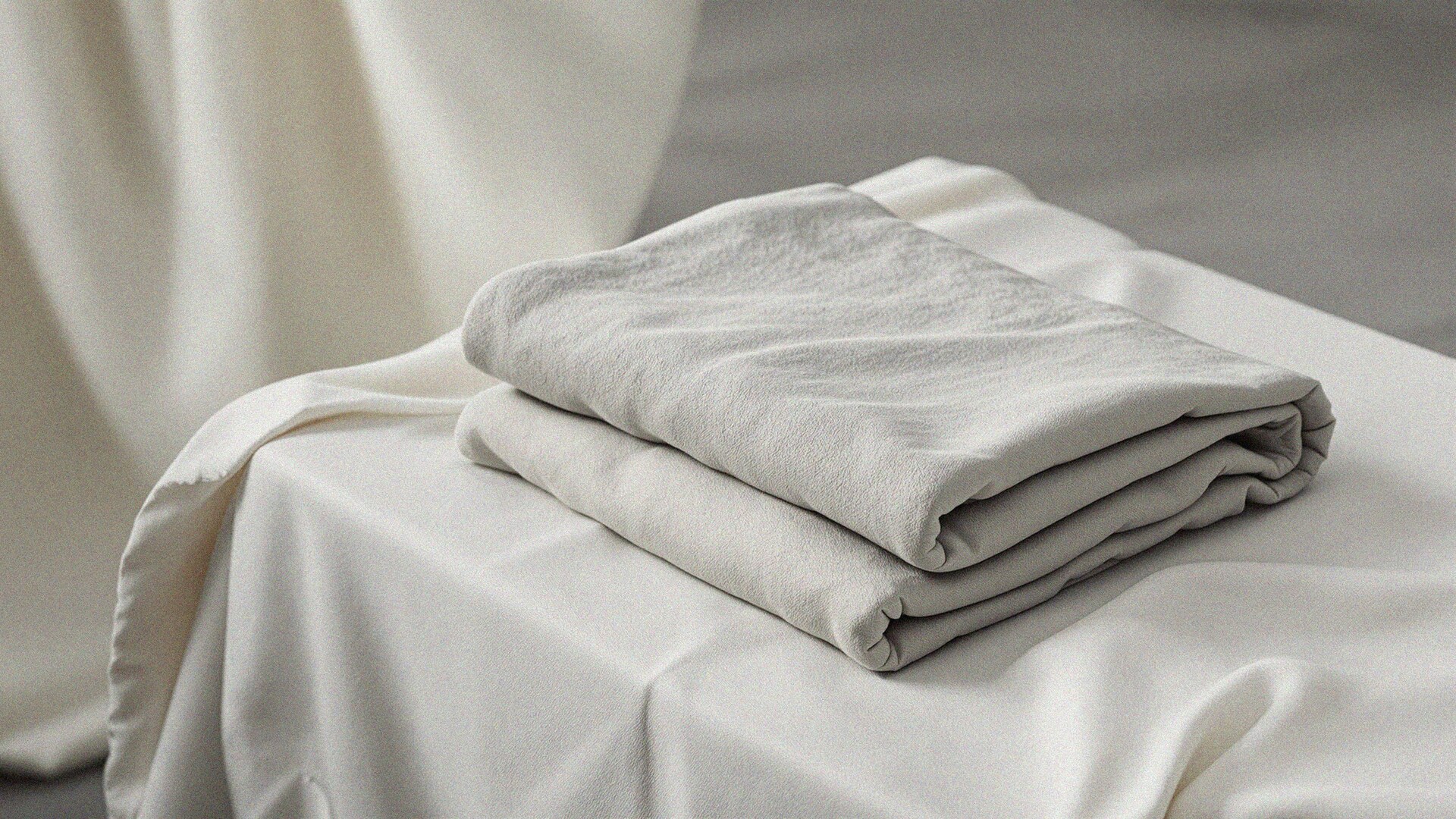
A side seam that drifts toward the navel after a few washes is no accident of laundering but a flaw built in at the mill. Learn where the twist comes from and how to catch it on the hanger, before it ruins a favourite shirt.
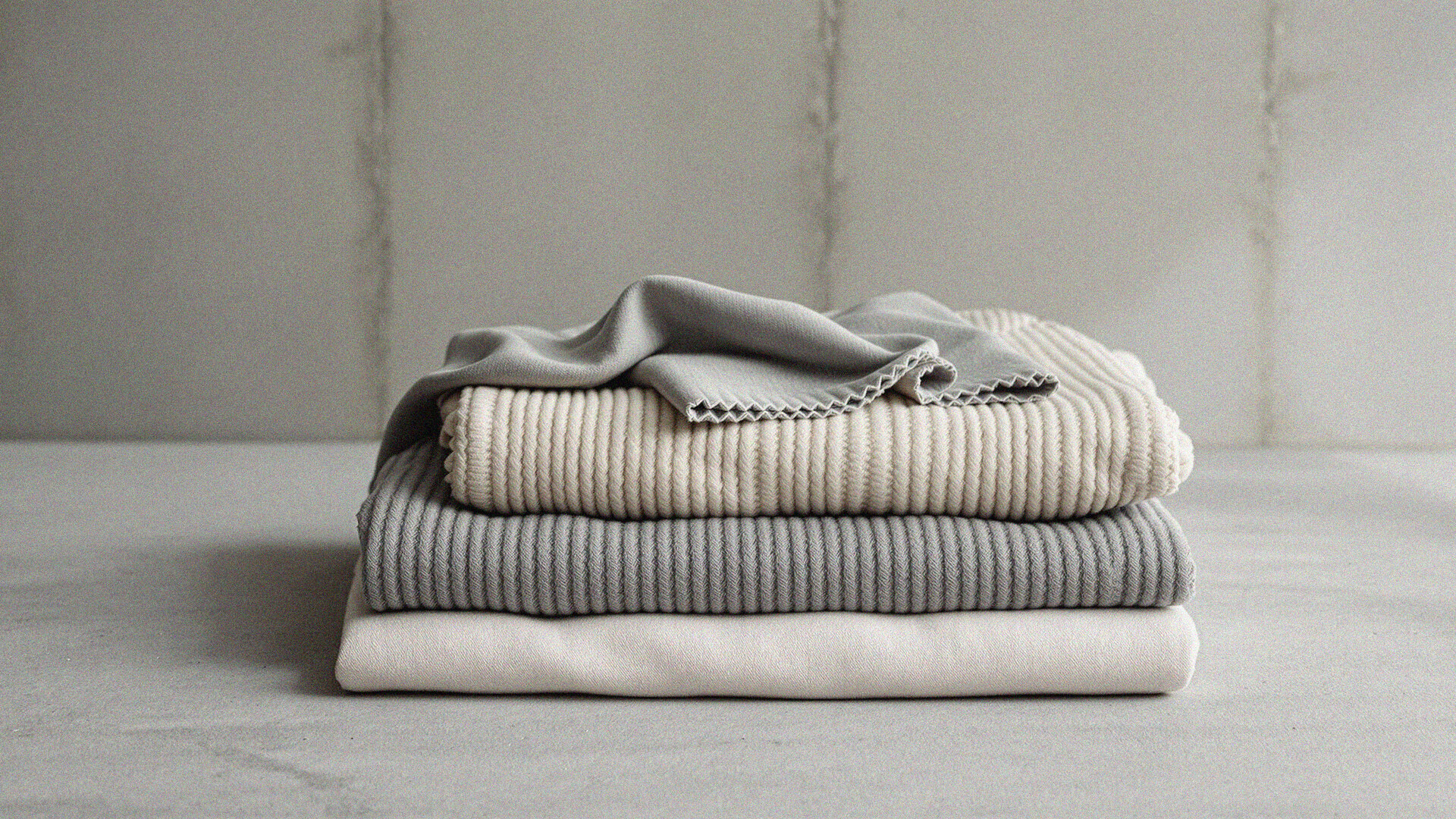
Reading Knit Gauge: How to Tell a Fine Knit from a Chunky One
Two gray wool sweaters can look alike on the shelf and still wear in completely different ways. The difference has a name, gauge, and once you can read it, every knit in your closet becomes easier to understand.
Thread Count, Demystified: Why a Higher Number Isn't Better
The number printed large on bedding packaging measures only how densely a cloth is woven, and a simple counting trick can double it without changing the fabric. The things that decide how cotton feels and how long it lasts are the fiber, the yarn and the finish, and none of them appear on the label.
Real Mother-of-Pearl or Plastic? How to Tell at a Glance
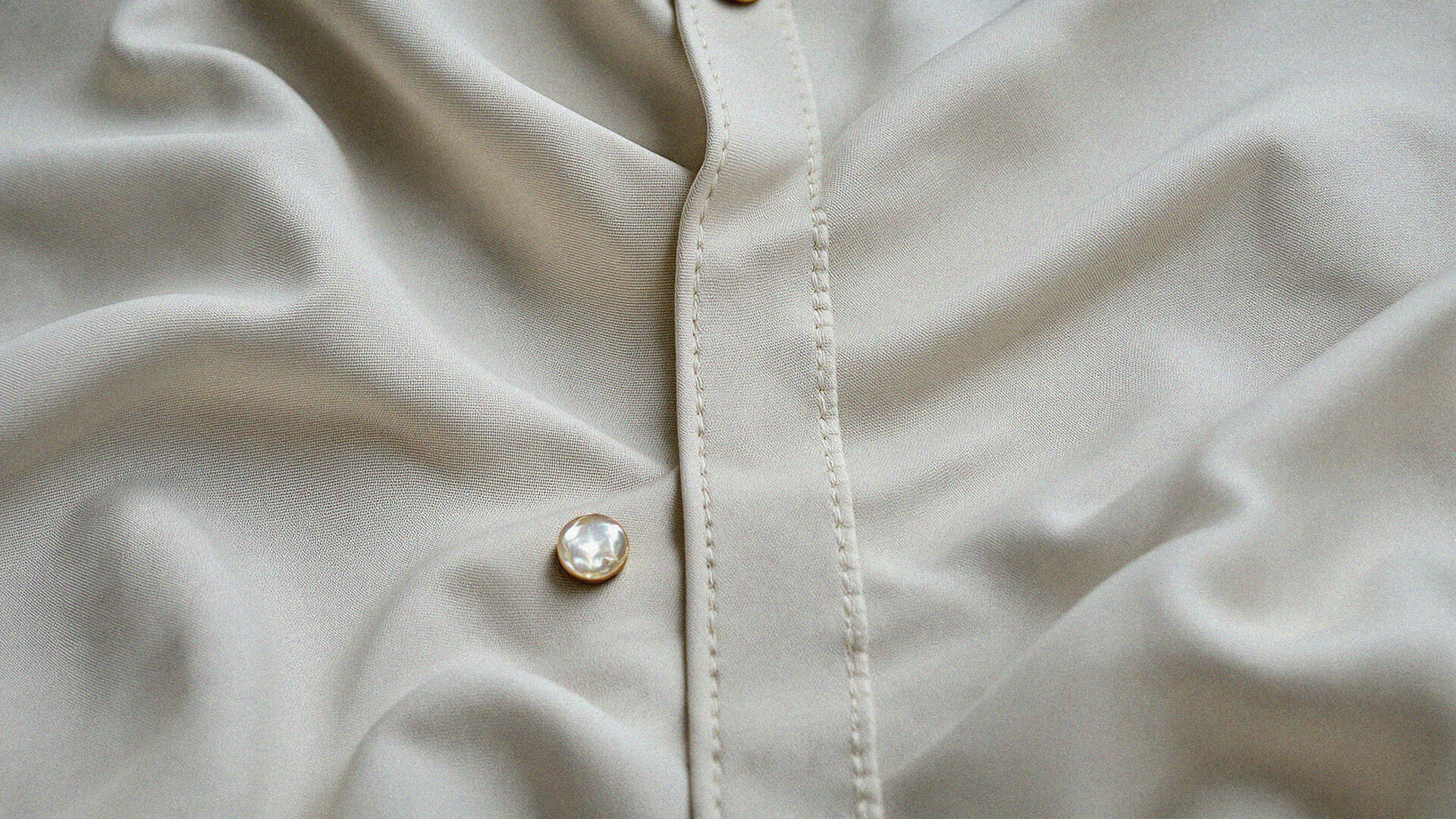
Tilt a shell button under a lamp and it flashes pink, then green. A plastic one just shines. Learn to see that difference and you will never miss it again.
Chrome and Vegetable Tanning: Why Leathers Age Differently
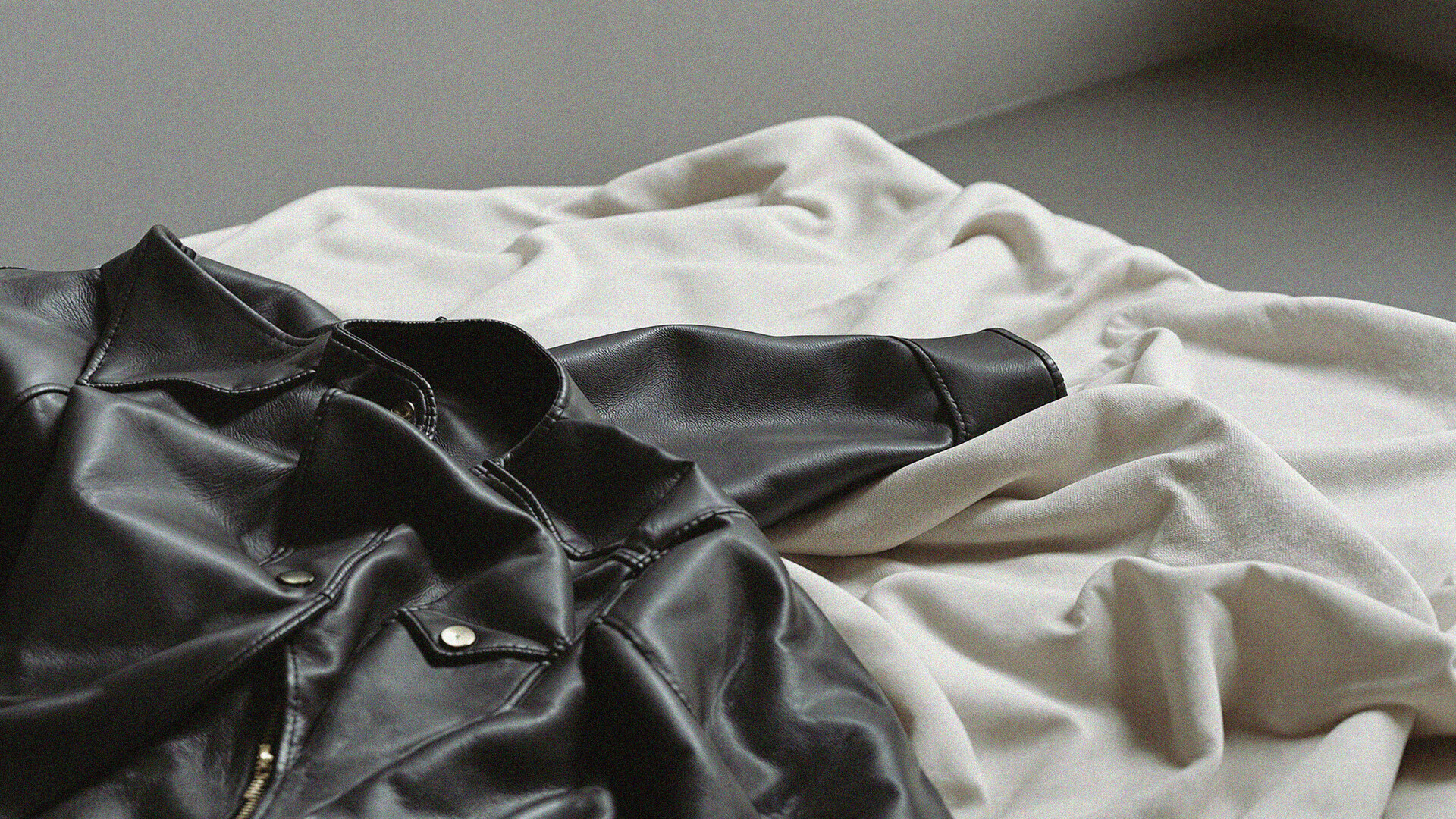
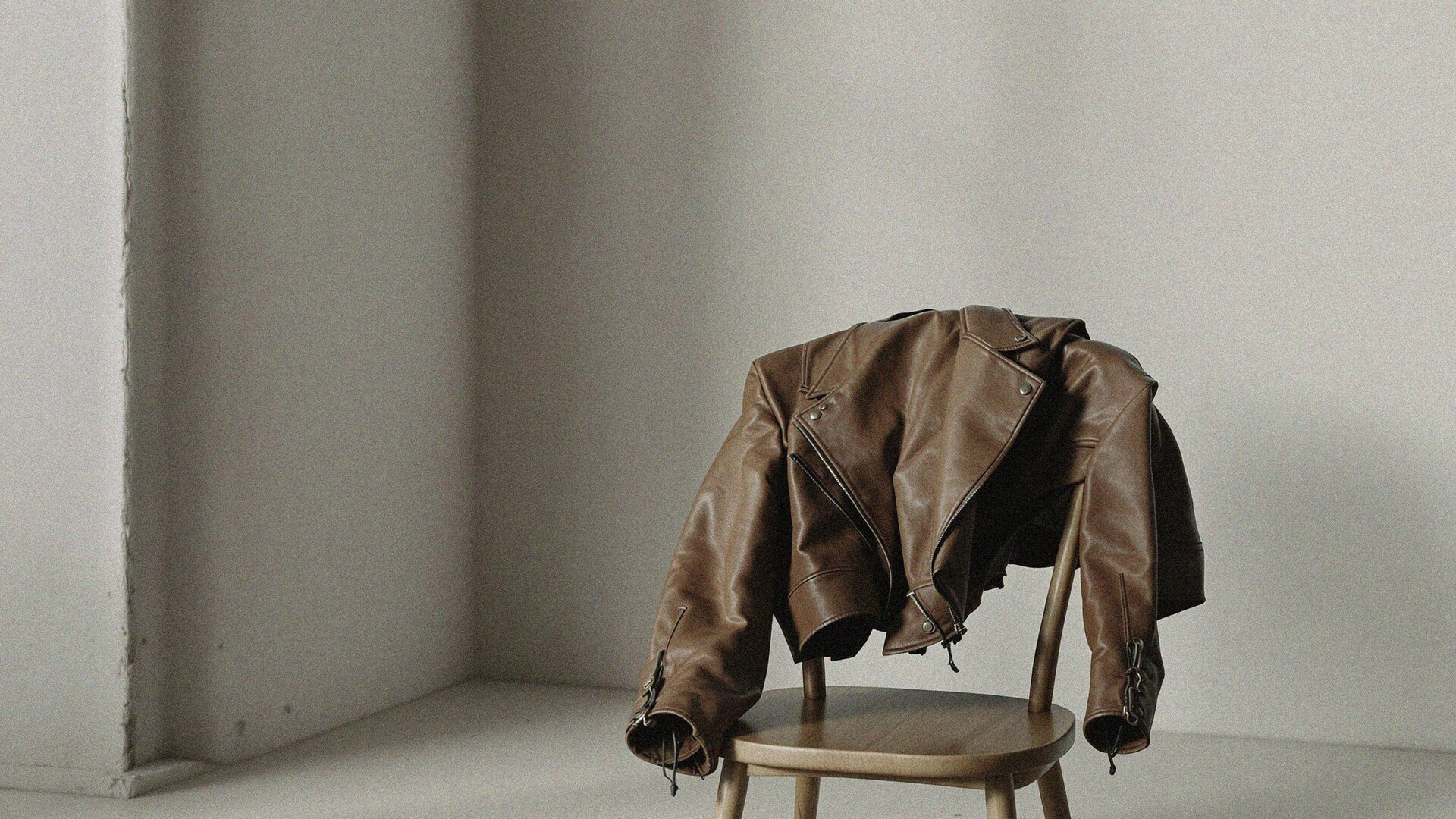
Two jackets, ten years of wear, and two entirely different outcomes: one deepens and softens into something personal, the other simply tires. The difference was settled in the tannery, long before the first cut.

What a Buttonhole Says About How a Garment Was Made
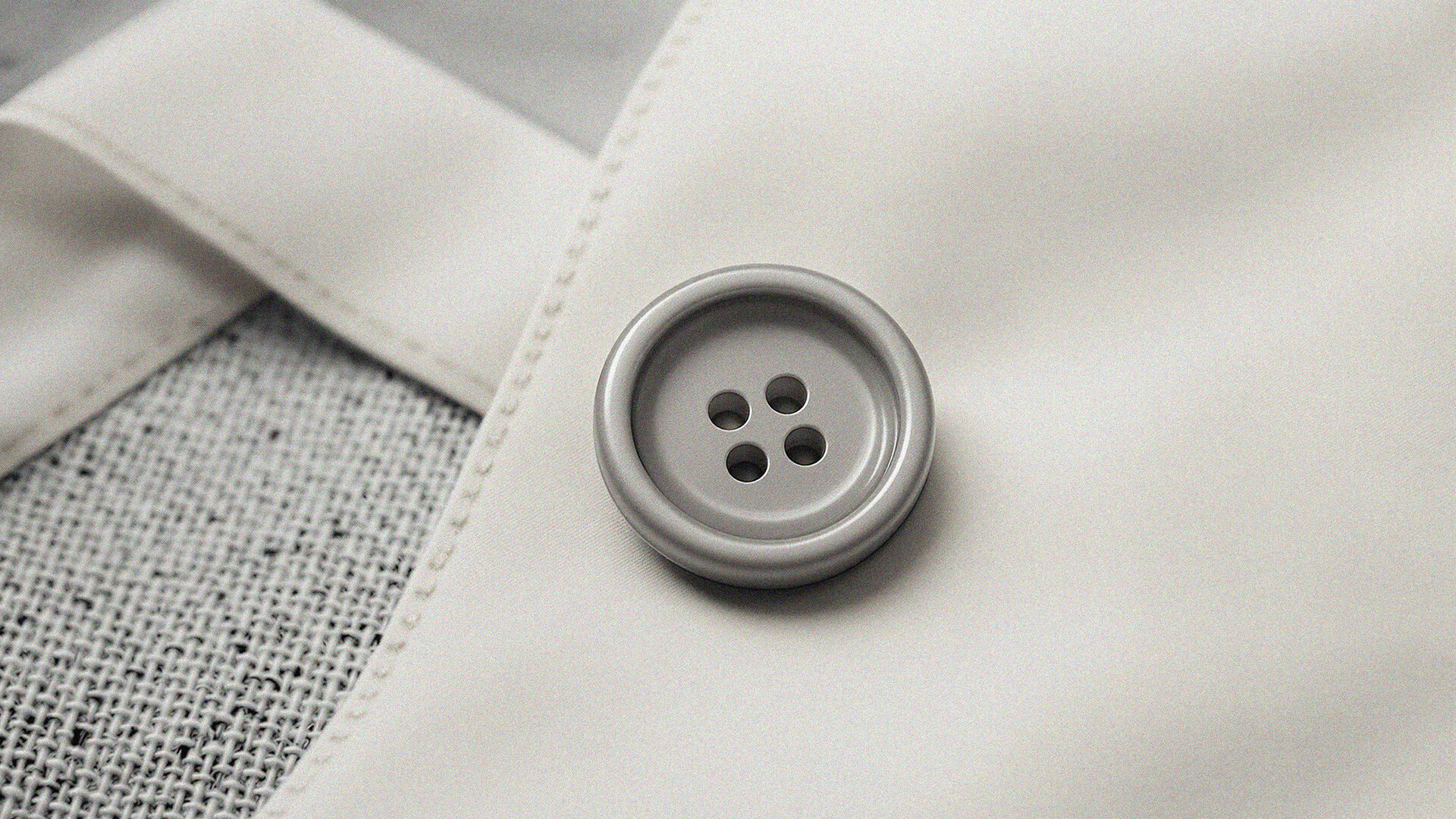
Most of us only notice a buttonhole when it starts to fray. Yet this small, deliberate cut in the cloth shows how a garment was made, and how much time its maker thought it deserved.

The Geometry of a Good Pair of Trousers
Two pairs of navy wool trousers look identical on the hanger, yet one gets worn three times a week and the other hasn't moved since spring. The difference comes down to a few measurable lines, starting with the rise, and once you can name them you can see why one cut suits you and another never will.
The Linings That Breathe Better Than Polyester
A few ounces of fabric you never look at decide whether your jacket goes on cleanly or clings at the small of your back. Cupro and Bemberg do the same three jobs as polyester, and one of them far better.
Why Some Ribbing Springs Back and Some Doesn't
Push a sweater's sleeves past your elbows and let them fall: the cuff either settles back at your wrist or stays slouched around your forearm forever. That difference isn't wear and tear — it's a mechanical property called recovery, and it was mostly decided before the sweater ever reached the shop floor.
Mercerized Cotton, the Quiet Step Behind a Shirt's Sheen
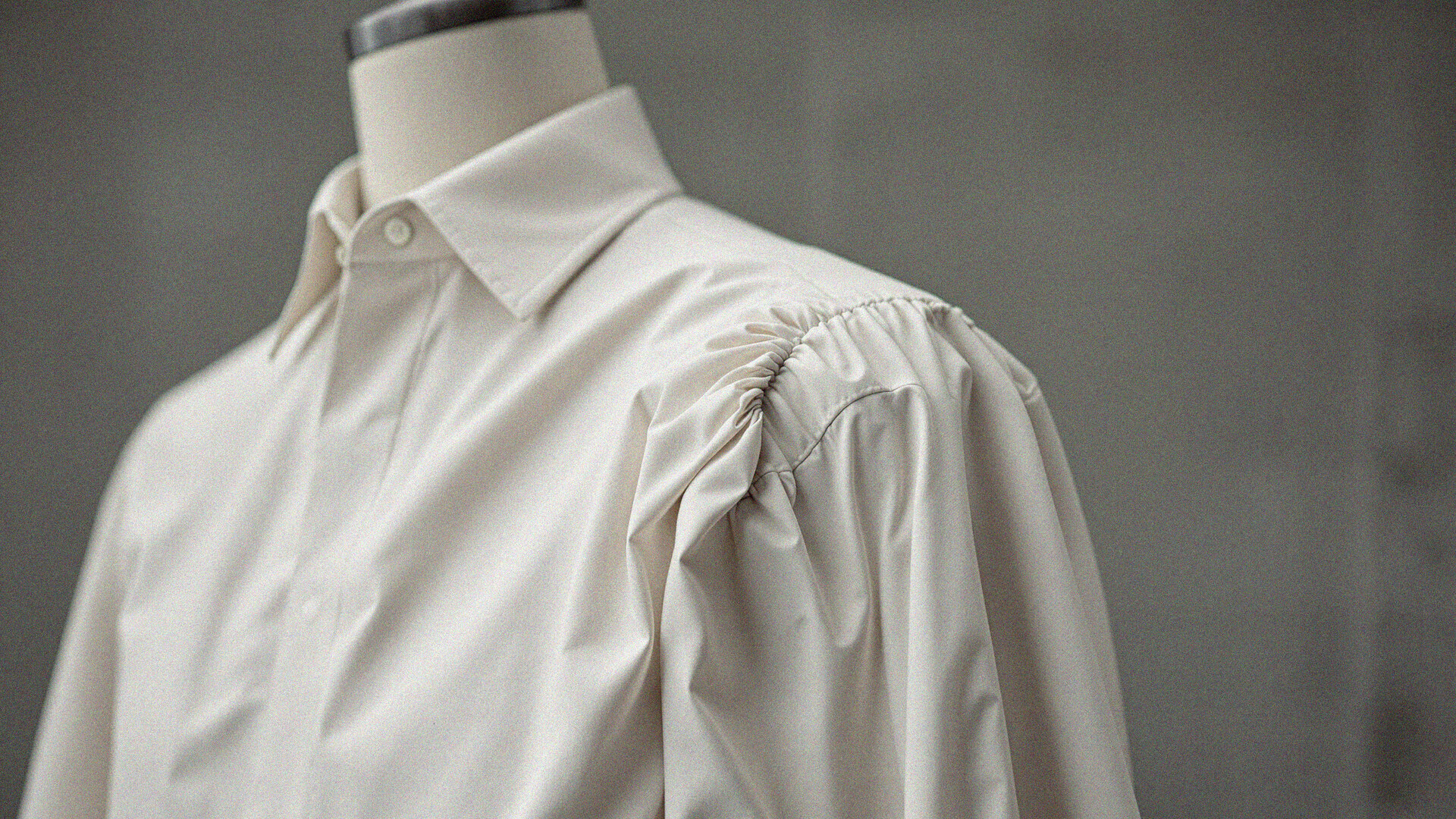
Two white cotton shirts, same weight and same collar, yet one glows faintly along its folds while the other reads flat and chalky. The difference is a nineteenth-century caustic-soda bath that changes the fibre itself, and once you can spot it you will see it all over your closet.
Why Pocket Placement Quietly Changes How an Outfit Reads
Two navy jackets can share the same cloth, cut and buttons and still belong to different days. The difference, more often than we admit, comes down to where the pockets sit and the horizontal lines they draw across the body.
The Selvedge Edge, Explained
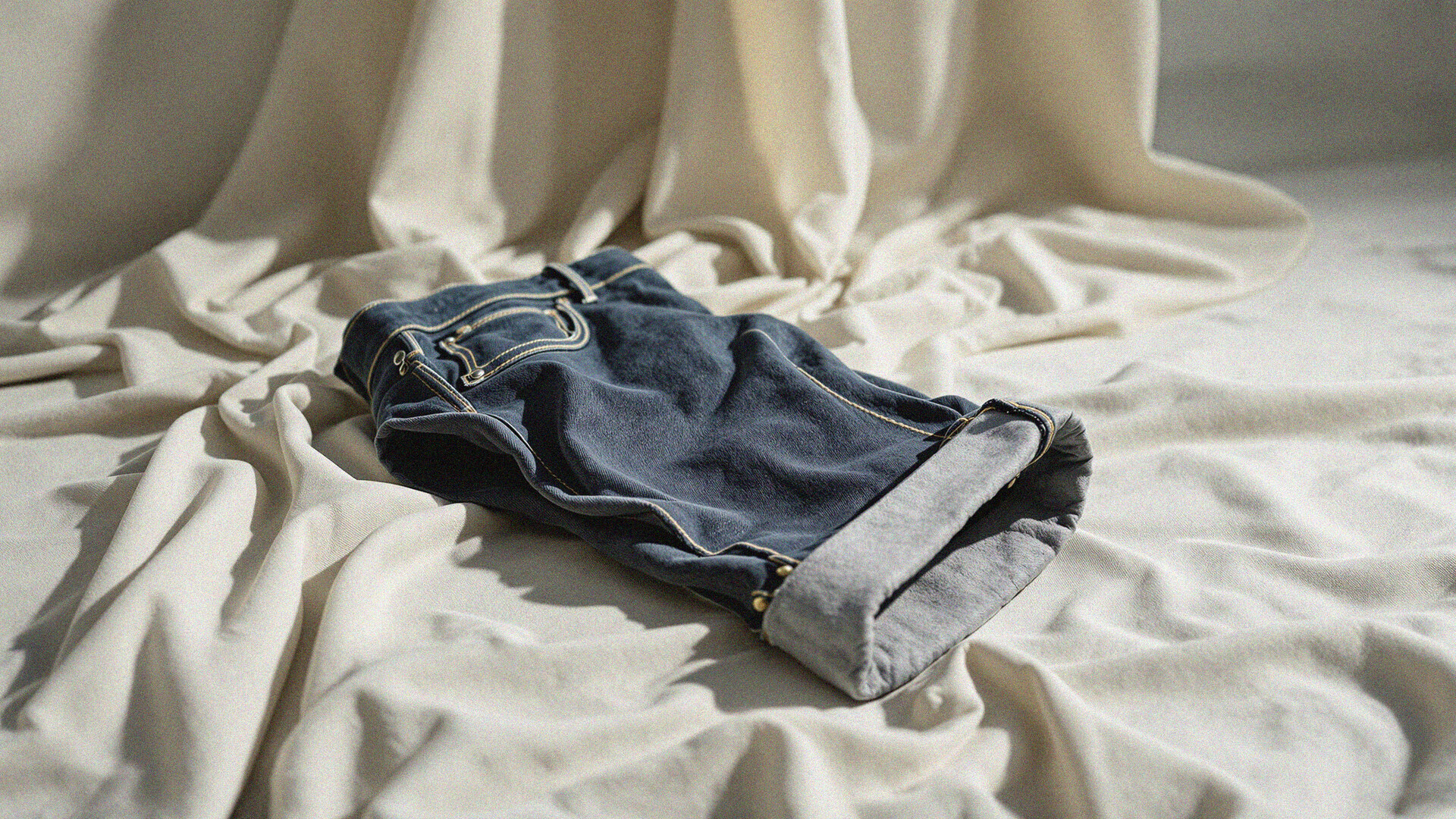
That narrow white band inside a cuffed pair of jeans is not decoration but the raw edge of the cloth, exactly as it left the loom. A short history of shuttle looms, mill colours and why the detail still matters.
Canvas or Fused: What's Actually Inside a Jacket
Press your thumb into the chest of two navy jackets and one springs back like a breathing ribcage while the other snaps flat like a turning page. The layer you never see — floating horsehair canvas or a sheet of glued synthetic — decides almost everything about how a jacket moves, ages, and holds its shape.
The Anatomy of a Collar
A collar uses almost no fabric and sits at the very edge of a garment, yet it does more visible work than the rest of the shirt combined. Here is how four common necklines reshape the face above them — and why neither the crew nor the V is ever simply better.
Why Small-Batch Production Costs More
A wool coat sewn by six people in a workshop outside Porto has lasted seven winters and still fits at the shoulder. The arithmetic behind its price explains why forty garments will never cost what forty thousand do — and why the gap is the whole point.
What a Virtual Fitting Room Can Actually Tell You
Virtual try-on has quietly solved the parts of fit that are pure geometry — where a hem lands, whether a shoulder seam sits where it should, how two blazers differ once catalog photography stops flattering them. The harder question is why every coat still looks fine on the version of you the software renders.
Why a Medium Is Never Just a Medium
The blazer hasn't changed, and neither have you — only the number on the tag has. Inside the decades-long drift of vanity sizing, where clothing labels stopped being measurements and became flattery.
Deadstock: Sustainability Win or Marketing Loophole?
A shelf of orphaned Japanese twill in a Lisbon studio is the story fashion loves to tell about deadstock — fabric rescued, waste averted, nothing new taken from the world. But the word covers cancelled orders, planned overruns and flawed lots alike, and that ambiguity is doing a great deal of quiet work on hangtags.
What Happens to Clothes After You Donate Them
The bag by the door feels like an ending, but it is only the start of a long journey through sorters, merchants and shipping containers. Most of what you give away never reaches a charity shop rail.
The Second Price of Everything in Your Closet
Vinted and Vestiaire Collective didn't invent secondhand — they turned everyone who buys clothes into someone who might one day sell them, and gave every garment a visible resale value. That quiet shift is changing what we choose to buy, and what we keep.
AI Stylists in 2026: What They Get Right and Where They Fail
Today's styling algorithms have genuinely mastered the grammar of clothing — colour temperature, silhouette balance, the mathematics of a hemline. What they cannot see is the charcoal trousers you wore to your father's funeral and have not touched since.
When Elastane and Nylon Actually Belong
Three percent elastane is the reason a wool trouser still holds its line on the evening train — and eight percent is the reason another one won't survive the year. A close reading of the care label, and of when synthetic content is craft rather than corner-cutting.
Structured or Soft: The Anatomy of a Jacket's Shoulder
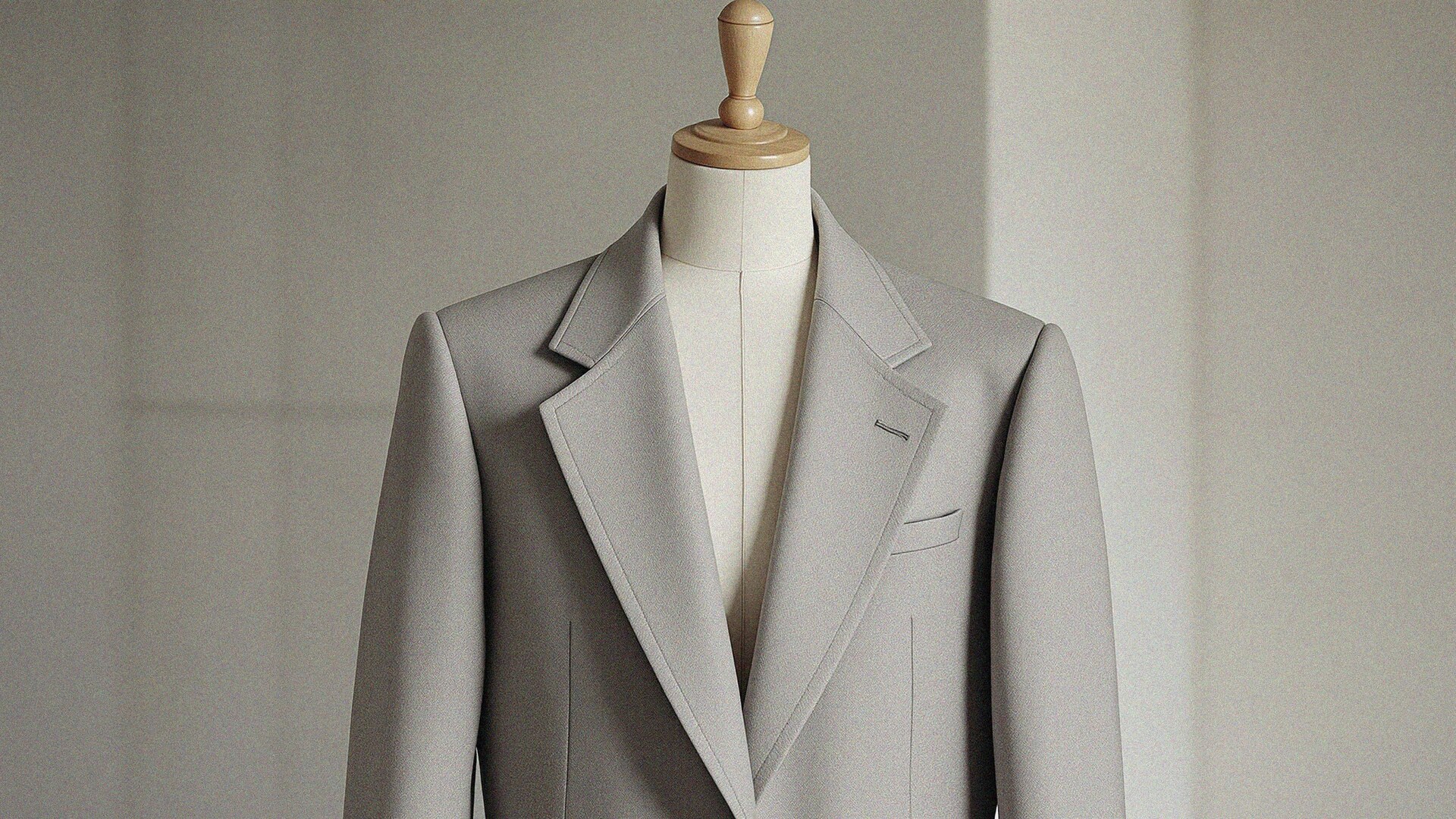
Two navy jackets, identical on paper, hang like different garments — and the reason lives in a four-inch seam. A close look at the shoulder, the line of tailoring that decides everything below it.
The Hardware You Never Notice
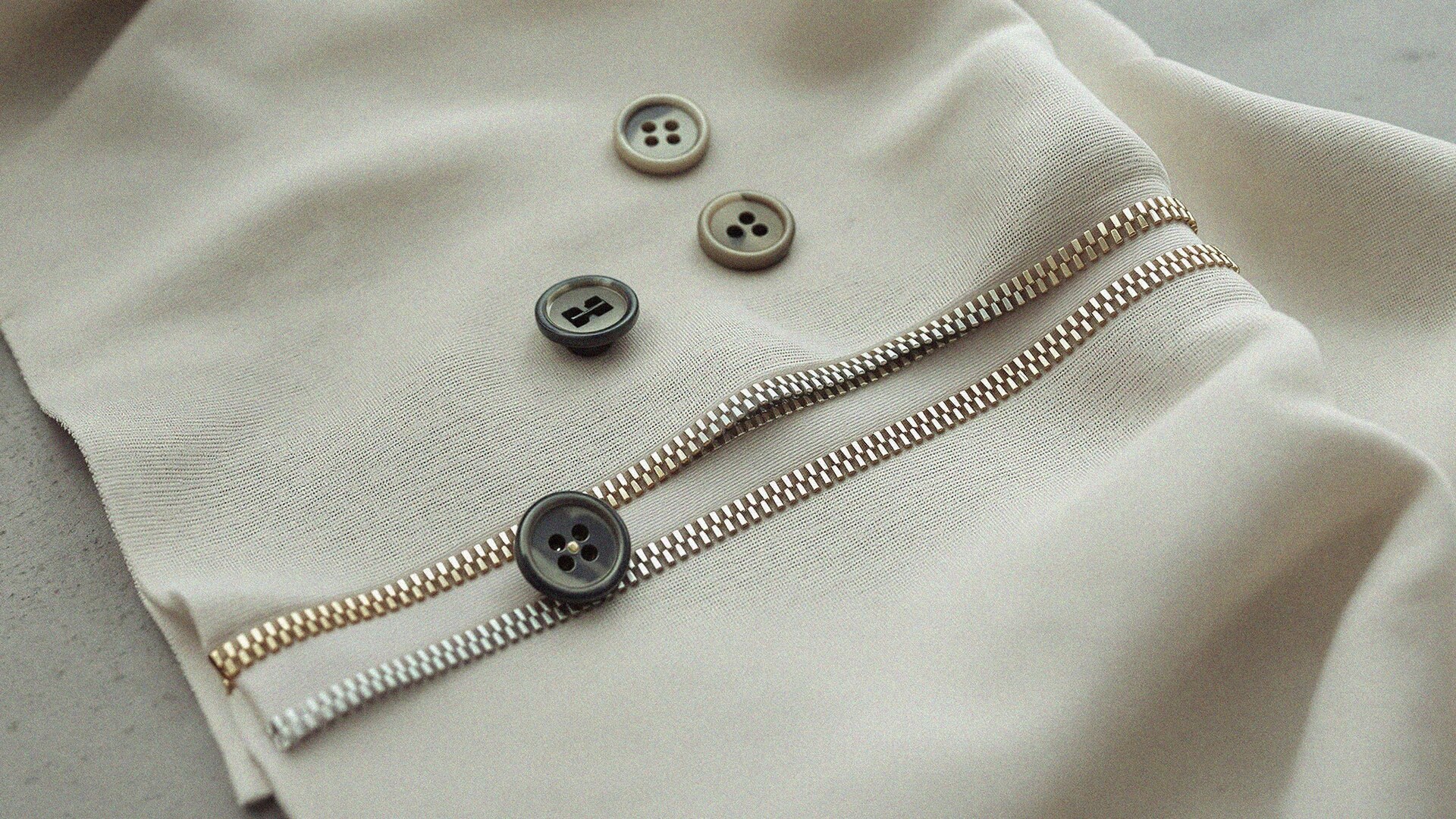
A coat is only as good as the thing that closes it. Zippers, snaps, and buttons are the most honest quality signal a garment has — and once you learn to read them, you'll never shop the same way again.
How to Read Fabric Weight
Two white T-shirts, one survivor — and the difference came down to a number neither of them ever advertised. A plain-language guide to GSM and ounces, the most honest measurement in your closet.
Why a Garment Drapes the Way It Does
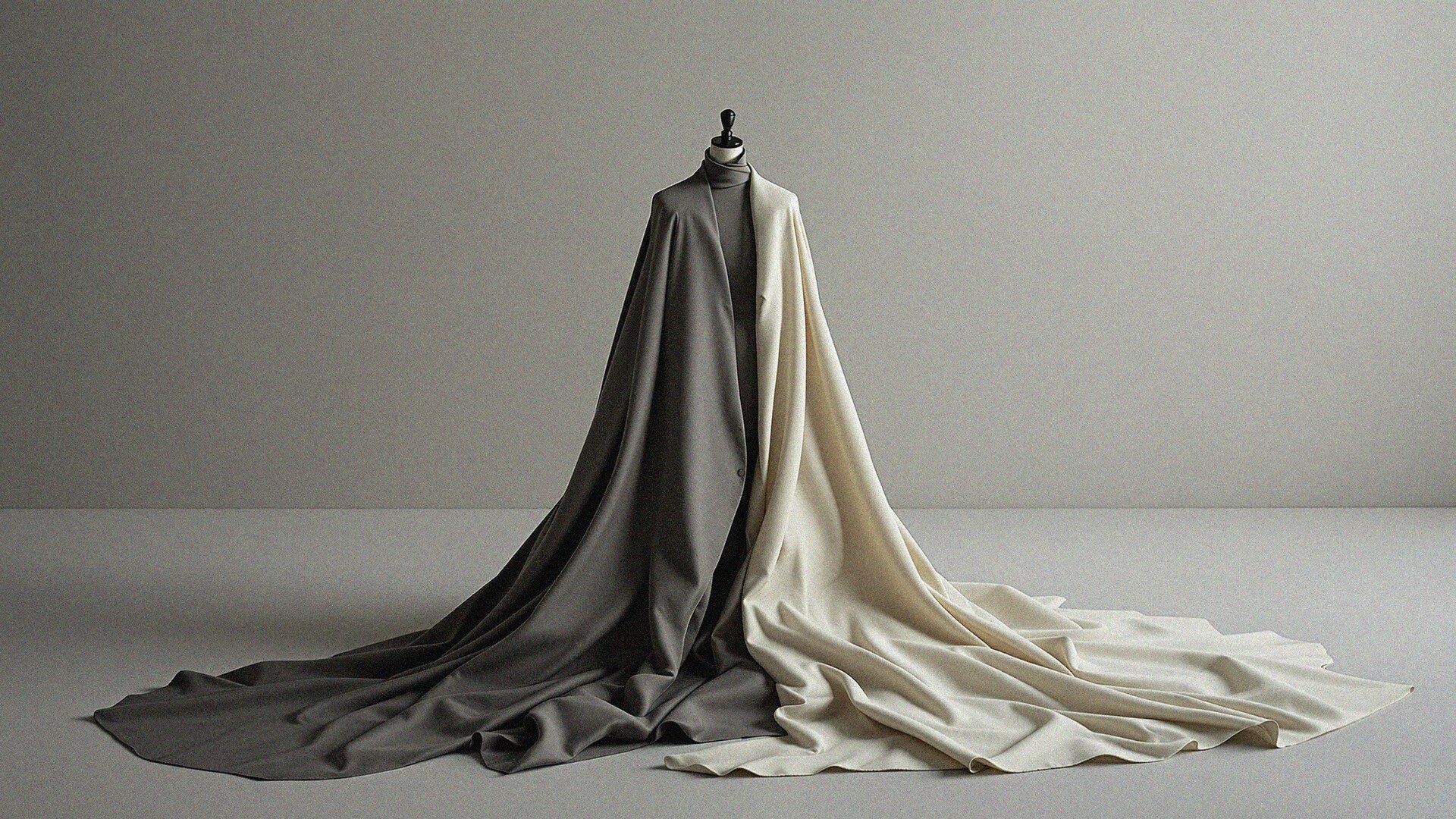
Two white shirts, same size and fabric, can hang in completely different ways — and the reasons are knowable. Weight, bias, and hand explain why every piece in your closet moves the way it does.
The Anatomy of a Good Seam
A seam is a decision made in a factory in a fraction of a second, and it determines whether a shirt lasts six summers or one. Turn a garment inside out and it will tell you almost everything you need to know.
The Rotation Audit: Balancing a Category You Own Too Much Of
Everyone has that one overstuffed drawer — fourteen white shirts, four in regular rotation. A rotation audit is the quiet reckoning with what you actually wear versus what merely takes up space, and what the gap between the two is trying to tell you.
The Uniform You Already Have
Scroll back through a year of photographs and the same navy sweater keeps appearing. Most of us already own a uniform — the real work is learning to read the quiet record of what actually gets worn.
When High Cost Doesn't Mean High Wear
The expensive wool coat barely leaves the closet while a half-price cotton jumper is worn to softness. The gap between what you paid and what you actually reach for reveals the fault lines hidden in every wardrobe.
The Phantom Wardrobe
The coat by the door and the boots at the threshold are the clothes you wear most — and the ones you never catalog. Here's how that missing layer quietly distorts everything your wear-data tells you.
How to Photograph Your Clothes for a Catalog You'll Actually Use
Most wardrobe photos are made to impress someone else. The one that earns its place is made for a half-awake version of you, months from now, deciding what to wear — and it turns out to be the easier picture to take.
Mending as Maintenance: When to Repair and When to Retire a Piece
A loose button, a fraying elbow, a hem come undone — every garment eventually asks for attention. Knowing the difference between a flaw and a failure is what decides whether you meet it with a needle or let it become a loss.
Storing Shoes So They Keep Their Shape
Most shoes don't wear out from walking — they slump out of shape during the sixteen idle hours a day they spend doing nothing. Here's what happens to leather the moment you take it off, and the quiet, cost-free habits that keep a good pair standing.
How to Store Knitwear Over the Summer Without Ruining It
Moths, slumped shoulders, and that stale cardboard smell all trace back to a few small oversights when you put your sweaters away. Here's how to fold your knitwear in spring and find it exactly as you left it come autumn.
Basic Stain Removal at Home: A Calm, Step-by-Step Guide
A drop of oil on a pale shirt rarely means the garment is lost — what ruins clothes is panic, hot water, and time. Here's how to handle everyday spills calmly, in the right order, with the few things actually worth knowing.
Decoding Care Labels: What the Symbols Actually Tell You
That itchy little tag in your side seam is a wordless instruction manual most of us throw away — right before the wool sweater shrinks to mitten size. Learn to read the five families of laundry symbols and your closet stops betraying you.
The Year Quiet Luxury Stopped Being About Logos
Stealth wealth promised escape from the logo, then collapsed back into the loop it was trying to flee. What survives the trend cycle isn't a look at all — it's the charcoal sweater you've worn for nine winters and the way you've come to know it.
What "Capsule Wardrobe" Misses About Real Life
The capsule wardrobe promises fewer decisions and a closet you can see end to end. But a fixed number of garments can't hold the spilled coffee, the July wedding, or the life that happens around the clothes.
How to Notice What You Already Own
Most of us forget half our wardrobe exists. This guide shows simple ways to rediscover the clothes you already have and build outfits without buying anything new.
The Shirt You Reach For Without Looking
Some shirts earn a permanent place in your rotation — the ones you grab on autopilot because they always work. Here's what makes a tee become that effortless default.
What a Half-Empty Closet Actually Feels Like
An honest look at the unexpected emotional reality of paring down your wardrobe — and why the empty space feels less like loss and more like room to breathe.
The Morning You Don't Have to Decide Anything
Some mornings the last thing you want is another choice. Here's how to start the day on autopilot — and let your wardrobe decide for you.
Keeping Clothes Fresh at Home: Dust, Pet Hair, and the Quiet Upkeep of What You Wear
A practical guide to the everyday care that keeps your wardrobe looking its best — managing dust, pet hair, and the small habits that protect what you wear.
Why Some Clothes Become Yours and Some Stay Strangers
Some pieces feel like an extension of you the moment you put them on, while others never quite belong no matter how often you wear them. This explores what makes a garment truly yours.
What Your Most-Worn Outfit Says About You (And Why You Stopped Noticing)
Your go-to outfit reveals more about your identity and self-image than you realize. Here's why we stop seeing the clothes we wear most, and what they quietly signal.
The Items You'd Miss If You Lost Them Tomorrow
A reflective look at the everyday possessions whose true value only becomes clear when you imagine them gone. Discover how this thought experiment can reshape what you keep, cherish, and let go.
Re-meeting Your Wardrobe: A Practice, Not a Project
Reframing how you relate to the clothes you already own — treating wardrobe rediscovery as an ongoing daily practice rather than a one-time overhaul.
Why "Made in Portugal" Quietly Replaced "Made in Italy" in Premium Knitwear
Premium knitwear brands are increasingly sourcing from Portugal instead of Italy, drawn by comparable craftsmanship, lower costs, and more flexible production. The shift is reshaping where luxury labels quietly manufacture their best pieces.
Textile Recycling in 2026: Hype vs Reality
A clear-eyed look at where textile recycling actually stands in 2026, separating marketing claims from the chemical, mechanical, and economic limits still shaping the industry.