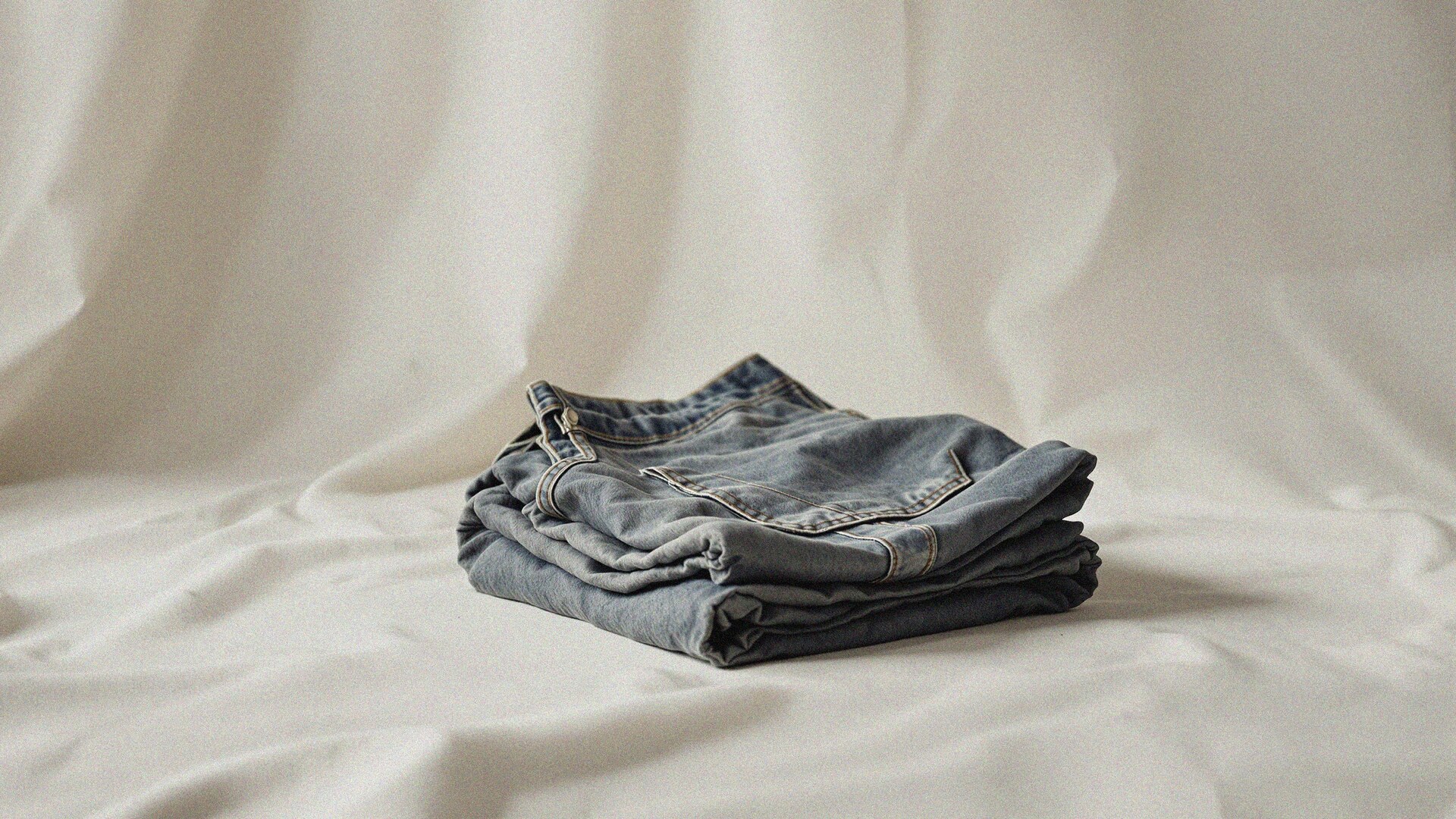
When You Stop Seeing the Thing You Wear Most
There's a particular pair of jeans, or a grey sweater, or a jacket with a softened collar — and it's been on your body more days this month than anything else you own. You couldn't tell me that without checking. It happens below the level of decision.
The clothes you reach for without thinking are the ones you've stopped looking at. Familiarity does that. The eye skips what it already knows, the way you stop hearing the hum of the fridge until it switches off.
So the outfit that is most you — the one a friend would sketch if asked to draw you from memory — is often the one you can describe least. You live inside it. You don't see it.
What the Reaching Reveals
Pay attention to what your hand does in the morning, before the mirror, before coffee. It moves toward the same few things. Not the most expensive. Not the most recent. The ones that ask nothing of you.
That choice is honest in a way your aspirations are not. The wishlist version of you owns a structured blazer and wears it to brunch. The actual you owns it too — and it hangs at the far end of the rail, dark with disuse, while your hand keeps finding the soft cardigan.
What you wear most is a quiet record of how you actually want to feel. Usually that's some version of unbothered — held, warm, able to move, not performing. The pieces that win are the ones that let you forget you're dressed.
There's nothing to fix in that. It's information. When people start noticing the gap between what they buy and what they reach for, they tend to stop buying against themselves quite so often.
The Anatomy of a Default
Look closely at your most-worn thing and a pattern usually surfaces. The favourites share traits, even when they look nothing alike.
- The weight is right. Heavy enough to feel like something, light enough to forget. A fabric that drapes the way you like to be touched.
- The colour disappears. Not because it's dull, but because it stops competing. You don't have to think about what it goes with — it goes with you.
- The fit forgives. Room where you want room. It doesn't correct your body or ask you to hold a shape.
- It carries no occasion. No event is required to justify it. It belongs to ordinary Tuesdays, which is most of life.
Why the favourite goes invisible
The cruelty of a true favourite is that affection turns into blindness. The more reliably something serves you, the less you regard it. You'd notice it instantly if it vanished — and not at all while it's there.
This is why people can feel they have "nothing to wear" while standing in front of a wardrobe doing exactly its job. The working clothes have gone silent. What's left visible is the noise: the mistakes, the maybes, the things still waiting to be grown into.
So the closet reads as a problem when it's mostly a small handful of quiet successes you've trained your eye to skip.
Looking Again
There's a slow pleasure in turning your attention back to the thing that's been carrying you. Take the most-worn piece off the hook and actually look at it — the way the cuff has gone soft, where the colour has thinned at a seam, the shape your own wearing has pressed into it.
That wear isn't damage. It's a record of days. A garment that has been lived in holds the proof of a life, and there's a particular calm in recognising that the proof is good.
When you can name what you wear most, and why, something settles. The morning reach stops being a small surrender and becomes a small agreement. You know the thing. You chose it again, on purpose this time.
Seeing the whole shape
It's hard to notice a pattern you're standing inside. Most people genuinely cannot say which five things they wore most last month — the data lives in the laundry basket, not in memory.
This is the one place a tool earns its keep: Vitrina lets you see your wardrobe laid out, so the favourites stop hiding in plain sight and the quietly-ignored pieces stop pretending they're part of the rotation. Not to grade you. Just to let you look at what's actually there.
What usually surprises people isn't the thing they over-wear. It's how little of the closet does the real work — and how much of the rest has been auditioning for a life they don't lead.
The Honesty of a Default
Your most-worn outfit isn't a failure of imagination. It's an arrival. After enough mornings, your hand learned something your shopping habits hadn't caught up to yet — what you actually want to feel like when you walk out the door.
The people who seem easy in their clothes aren't the ones with the most options. They're the ones who've made peace with their defaults — who stopped treating the favourite as a rut and started treating it as an answer.
You already know what you wear. You've just been wearing it too well to see it. The closet was never the problem; the looking was. And looking, unlike buying, is something you can start doing this morning, with everything already on the rail.