Beyond the Brand: Decoding Fabric Quality
When you are standing in a fitting room, you can often feel the difference between a high-street blazer and a designer alternative before you even check the price tag. That immediate sense of weight, smoothness, or depth isn't just a marketing trick; it is the result of specific technical decisions made during production. Understanding what makes a fabric expensive allows you to invest your wardrobe budget more effectively, moving away from fast-fashion cycles toward a curated, long-lasting collection.
In the context of a capsule wardrobe, quality is the ultimate sustainable choice. If you are using the Vitrina app to track your cost-per-wear, you likely already know that a $200 silk shirt often outlasts four $50 polyester versions. To build a collection that retains its beauty over years of wear, we have to look closely at three specific pillars: fiber origin, weave complexity, and the final finish.
The Foundation: Fiber Origin and Staple Length
The most basic building block of any textile is the fiber. While we often categorize these as natural or synthetic, the true marker of expense lies in the staple length. This refers to the length of the individual hairs or fibers that are spun into yarn.
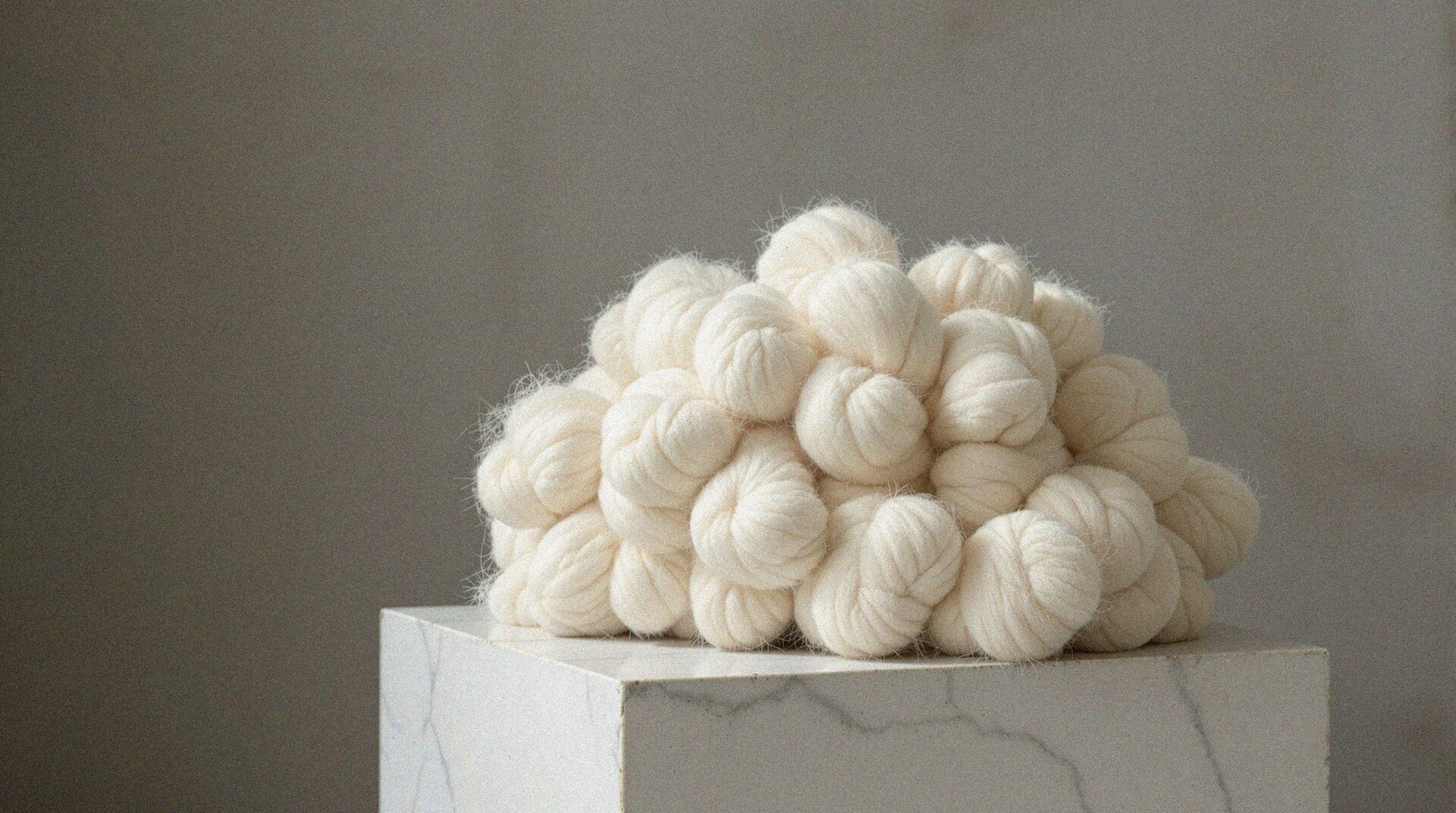
Long-staple fibers, such as Egyptian Giza cotton or long-staple mulberry silk, produce a smoother, stronger thread with fewer "ends" sticking out. When shorter fibers are used, those ends eventually rub against each other, leading to the dreaded pilling that ruins a garment's silhouette. This is why a high-end cashmere sweater feels like a cloud while a budget version feels scratchy; the expensive version uses only the long, soft undercoat fibers from the goat.
Beyond length, rarity plays a significant role in pricing. Fibers like Vicuna or Grade A Cashmere are harvested in limited quantities under strict ethical guidelines. When you log these items in your digital wardrobe, you are essentially tracking assets that maintain their structural integrity far better than mass-produced blends. High-quality animal fibers also possess natural scales that allow the fabric to breathe and regulate temperature, a feature that laboratory-grown synthetics struggle to replicate.
The Rise of High-Tech Synthetics
It is a misconception that all expensive fabrics must be natural. In the modern market, advanced regenerated cellulose fibers like Cupro or high-twist viscose can be more costly than basic cotton. These require complex chemical processing to transform wood pulp into a silk-like textile that is both durable and biodegradable. These fabrics are prized for their heavy drape, making them a staple for those who prefer the look of silk without the delicate maintenance requirements.
The Architecture: Weave Density and Complexity
Once the fibers are spun into yarn, the way they are interlaced determines the fabric's character. The weave is essentially the architecture of the textile. Mass-market brands often prioritize speed and low yarn count to save money, resulting in fabrics that feel thin or lose their shape after a single wash.
Luxury textiles often utilize a higher thread count or more complex structures like Jacquard or Double-Faced weaves. A double-faced wool coat, for instance, is essentially two layers of fabric woven together on a special loom, eliminating the need for a synthetic lining. This creates a garment that is exceptionally warm but remarkably light, a hallmark of quiet luxury that focuses on construction over logos.
Understanding Drape and Bias
The density of the weave also dictates the drape—how the fabric falls over the body. Expensive fabrics are often woven more slowly to ensure consistent tension across the entire roll. This precision prevents the garment from twisting or "spiraling" after it has been laundered.
When you use a tool like Vitrina to plan your outfits, you’ll notice that garments with superior weave density tend to style more easily. They hold their sharp edges or soft folds predictably, allowing you to create a cohesive look with fewer pieces. A high-twist crepe weave, for example, uses yarns that have been twisted so tightly they develop a natural stretch and wrinkle resistance without the need for elastane.
The Final Touch: Specialized Finishes
The final stage of fabric production is the finish, a step where many budget manufacturers cut corners to save time. This stage includes everything from dyeing to mechanical treatments that alter the fabric's hand-feel. High-end textiles undergo processes like mercerization for cotton, which increases luster and dye affinity, or singeing, which burns off stray surface fibers for a crisp, clean look.
Color analysis enthusiasts will find that expensive fabrics hold pigment with much more depth. Premium dyes penetrate deep into the fiber core rather than just sitting on the surface. This results in a "glowing" quality in certain silks and wools that makes the color appear richer and more flattering against the skin. These dyes are also less likely to bleed or fade, ensuring your investment pieces stay within your seasonal color palette for years.
Sustainable Finishing and Longevity
Sustainable fashion often relies on expensive, non-toxic finishes that don't rely on heavy metals or formaldehyde. Mechanical finishes, such as sand-washing silk or calendering cotton to create a permanent sheen, are labor-intensive but result in a safer, softer product. These treatments ensure that the fabric doesn't just look good on the hanger, but actually improves with age.
Investing in Your Wardrobe's Future
Learning to identify these markers—staple length, weave density, and finish quality—transforms the way you shop. Instead of being swayed by a designer label, you begin to look for the physical evidence of craftsmanship. You start to seek out the selvage edge on denim or the substantial weight of a silk morocain.
Building a wardrobe through the lens of fabric quality is the ultimate act of mindfulness. By using the Vitrina app to document your findings, you can see the data-backed proof that quality pays for itself. A fabric that is made well from the fiber up will always be a better companion for your daily life than a garment that relies on temporary trends. Choose the fiber that breathes, the weave that holds, and the finish that lasts.